For many players looking for online casino excitement, the Sweet Bonanza slot is a colorful and vibrant option that captivates with its delightful fruit theme and engaging mechanics. If you’ve found yourself searching for options outside the confines of self-exclusion programs like GamStop, Sweet Bonanza Slot Not on GamStop might be the perfect solution. In this article, we’ll dig deeper into Sweet Bonanza and explore why it remains a favorable choice for players seeking unlimited fun and rewards.
Understanding the Sweet Bonanza Slot Game
Sweet Bonanza is a slot game created by Pragmatic Play, known for its stunning graphics and fruity theme. Upon entering this sweet wonderland, players are greeted with delightful imagery, including colorful candies and luscious fruits. The game features a 6×5 grid setup and utilizes a ‘pay anywhere’ mechanic, meaning symbols can create winning combinations regardless of their position on the reel. This innovative approach helps players achieve wins more frequently, adding to the overall excitement of gameplay.
Game Mechanics and Features
One of the standout features of Sweet Bonanza is its Tumbling Reels system. When players land a winning combination, those symbols explode, and new symbols fall into their places. This can create multiple wins from a single spin, keeping the action fast-paced and dynamic.
Additionally, the game includes a Free Spins feature, activated by landing four or more scatter symbols (depicted as lollipops). Players can earn up to 10 free spins, and during these rounds, there’s a chance to trigger additional free spins as well. The inclusion of multipliers that can boost winnings significantly adds to the excitement, especially when combined with the tumbles.
Why Choose Sweet Bonanza Not on GamStop?
The GamStop initiative has been a landmark move for responsible gambling in the UK. However, some players seek experiences outside the platform, especially if they have opted for temporary breaks rather than long-term exclusions. This is where Sweet Bonanza shines as a game for players who want to explore gaming without restrictions.
Playing Sweet Bonanza at a casino not on GamStop allows individuals to enjoy the game’s charm without the weight of self-imposed limitations. It’s essential for players to remain mindful of responsible gambling practices, even when enjoying the thrills that Sweet Bonanza presents.
Choosing the Right Casino
When looking for a casino that offers Sweet Bonanza but is not part of the GamStop network, players should consider a few factors. First and foremost, it’s crucial to ensure that the casino operates with a valid gambling license. Reputable online casinos will typically display their licensing information prominently on their websites.
Players should also examine the variety of payment options, customer support services, and bonus offers available. Some casinos might provide enticing welcome bonuses specifically for new players wanting to try out Sweet Bonanza or other popular slots.
Mobile Compatibility
Sweet Bonanza is designed to be enjoyed on various devices, making it an excellent choice for players who prefer gaming on the go. Whether you’re using a smartphone, tablet, or desktop, the game retains its visual appeal and functionality, ensuring players have an uninterrupted experience.
The mobile version mirrors the desktop experience, allowing players to spin the reels and enjoy the tumbling effects without missing a beat. Pragmatic Play has ensured that the mobile interface is user-friendly and responsive, catering to players’ needs regardless of their chosen device.
Community and Social Play
The success of Sweet Bonanza has created a vibrant community of players who share tips and experiences related to game strategies. Engaging with fellow players on forums and social media can enhance the experience, providing insights into potential strategies and bonus hunting techniques.
Additionally, many casinos host tournaments that include Sweet Bonanza, offering players the chance to compete for prizes and enjoy a social gaming experience. Being part of these communities can foster a spirit of camaraderie among players, making the gaming experience not just about the game itself but the connections formed within the gaming environment.
Final Thoughts
Sweet Bonanza offers a delightful escape into a vibrant, candy-filled world, making it an attractive option for players looking for slot action outside GamStop. With its engaging gameplay, exciting features, and the ability to play at non-GamStop casinos, it provides a fantastic gaming experience catered to all types of players.
As with any form of gambling, it’s crucial to approach th
e game with a responsible mindset. By only playing at licensed online casinos and setting personal limits, players can enjoy the sweetness of Sweet Bonanza while ensuring a safe gaming journey.
When it comes to online slot games, few have gained as much popularity as Sweet Bonanza. This vibrant and colorful game, designed by Pragmatic Play, takes players on a whimsical journey through a candy-filled paradise. However, there is more to discover in the universe of Sweet Bonanza, especially now that many players are starting to realize that the Sweet Bonanza Slot Not on their radar could offer even more thrilling gaming experiences. For those interested in diving deeper into this captivating game, Sweet Bonanza Slot Not on GamStop https://debbiesandersonweddingphotography.co.uk/ provides useful insights that can enhance their understanding.
The Allure of Sweet Bonanza Slot
Sweet Bonanza Slot has gained a significant following due to its unique 6-reel 5-row format, which differs from traditional slot machines. Players are welcomed into a world filled with mouth-watering candies, fruits, and an overall festive atmosphere. The game’s layout allows players to form winning combinations in a way that is not typically found in classic slots. In addition to this innovative gaming design, the game’s colorful graphics and cheerful background music contribute to the overall experience, making each spin feel like a sweet treat.
Understanding Game Mechanics
Unlike conventional slot machines that rely on paylines, Sweet Bonanza employs a “cluster pays” mechanic. This means that players can win by landing a minimum of eight matching symbols on the reels anywhere in view. With symbols that vary in value—ranging from low-paying fruits to high-paying candies—players need to carefully consider their betting strategies. Furthermore, the game’s tumbling feature allows symbols from won combinations to disappear and be replaced by new ones, offering the possibility of consecutive wins from a single spin.
Features That Make Sweet Bonanza Stand Out
What sets Sweet Bonanza apart from other slots? One of the game’s most enticing aspects is its Free Spins feature. Players can activate this bonus round by landing four or more Scatter symbols, represented by colorful lollipops. During the Free Spins, players can enjoy multipliers that significantly boost their winnings, making this feature a favorite among seasoned players. Additionally, players have the option to purchase Free Spins, providing an alternative route to access this exciting part of the game without waiting for it to trigger naturally.
The Concept of “Sweet Bonanza Slot Not on the Market”
As more and more players explore Sweet Bonanza, some have discovered alternative games and experiences that offer similar thrills but are not as widely recognized. The term “Sweet Bonanza Slot Not on” refers to lesser-known games that also incorporate vibrant themes, unique mechanics, and engaging features. These games may not be featured prominently on gaming platforms, yet they can provide an equally enjoyable experience.
Finding Hidden Gems
Exploring games that are outside the mainstream can lead players to discover hidden gems. Some slots may offer innovative gameplay mechanics or interesting themes that resonate with players who enjoyed Sweet Bonanza but are looking for something new. These “not on” slots are often released by smaller studios or independent developers, bringing fresh ideas and unique aesthetics that deserve attention.
Watch for Rising Stars in Slot Gaming
Players interested in the Sweet Bonanza experience might find it worthwhile to explore titles from newer developers that mimic the engaging aspects of this popular slot. Keeping an eye on forums, reviews, and recommendation lists can help players uncover games that are projected to become the next big thing in the slot world. Whether it’s through innovative graphics, thematic ties to candy and sweets, or exciting gameplay mechanics, these titles can often surprise and entertain.
Strategies for Maximizing Your Experience
Whether playing Sweet Bonanza or exploring slots that are “not on”, strategic gameplay can enhance your experience. Here are some tips to keep in mind:
Manage Your Bankroll: Set a budget for your gaming session and stick to it. This not only keeps your finances in check but also allows you to enjoy the game without the stress of overspending.
Understand the Paytable: Familiarize yourself with the game’s paytable to understand the value of symbols and how various features work, especially the Free Spins and multipliers.
Try Before You Bet: Many online casinos offer demo versions of slots. Take advantage of these to experiment with different games and find which ones resonate with you.
Join Online Communities: Engaging with communities on social media platforms or dedicated gaming forums can provide valuable insights, tips, and recommendations.
Conclusion
The world of online slots is vast and ever-changing, with Sweet Bonanza being just one of the many delightful options. Exploring “Sweet Bonanza Slot Not on the market” can lead you to exciting new gaming experiences that are waiting to be discovered. Be open to trying new games, and always remember to play responsibly while enjoying the thrill of the spin.
Explore the Thrills of Big Bass Amazon Xtreme Slot
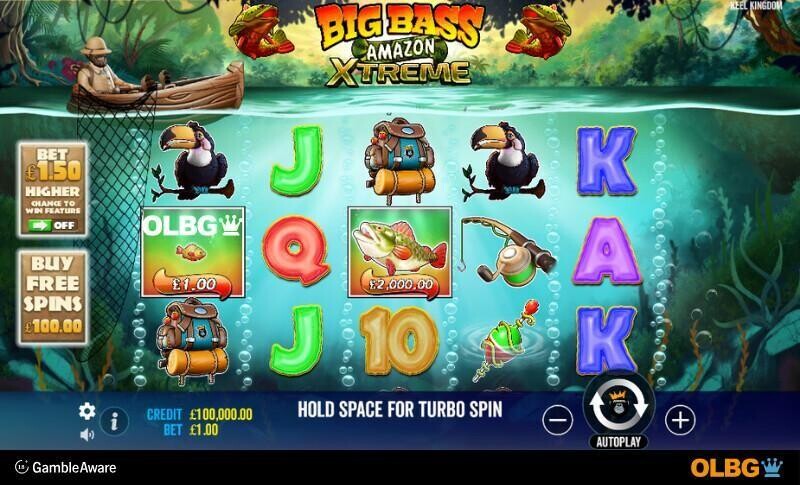
If you’re an avid slot game enthusiast, you may have encountered a variety of themes and gameplay styles. However, few games can match the excitement and adventure that the Big Bass Amazon Xtreme Slot Not on GamStop Big Bass Amazon Xtreme Not on GamStop brings to the table. As a part of the popular Big Bass series, this slot transports players to the vibrant and lush landscapes of the Amazon River, where fishing and the thrill of winning go hand in hand.
Overview of Big Bass Amazon Xtreme Slot
Developed by a renowned software provider, the Big Bass Amazon Xtreme Slot offers a captivating gaming experience characterized by high-quality graphics, immersive soundtracks, and exciting features. The game introduces players to an adventurous fishing expedition, where the objective is to reel in big wins while enjoying the company’s vibrant aquatic life.
Game Layout and Features
The layout of Big Bass Amazon Xtreme typically features a standard five-reel, three-row grid, which is familiar to many slot players. The game intricately incorporates various symbols that resonate with the fishing theme, including fishing rods, tackle boxes, boats, and various fish species. Each spin sends players into a world filled with possibilities, as a variety of paylines ensure that players can capture their share of the wealth flowing through the Amazon.
Wilds and Scatters
One of the standout features of the Big Bass Amazon Xtreme Slot is its wild symbols, which can substitute for other symbols to create winning combinations. Alongside these wilds, players will also encounter scatter symbols, which usually trigger bonus rounds or free spins when they land on the reels. This combination of wilds and scatters provides players with multiple ways to win, heightening the overall excitement of the game.
Bonus Features and Free Spins
The allure of Big Bass Amazon Xtreme is significantly enhanced by its various bonus features. A particularly exciting element is the free spins round, which is activated when a certain number of scatter symbols appear on the reels. During this feature, players stand the chance to earn multipliers, increasing their potential winnings. Additionally, the game may offer unique modifications or progressive rounds that can lead to substantial payouts, making every spin feel like a thrilling opportunity.
Gameplay Mechanics
The gameplay mechanics of Big Bass Amazon Xtreme are designed to be user-friendly, making it enjoyable for both novice players and seasoned veterans. Players can easily adjust their bet levels, allowing them to find a comfortable stake according to their budget. The game’s volatility is often balanced, meaning that while wins may not come every spin, when they do, they can be quite substantial, providing a rewarding experience.
Preparing for the Adventure
Before diving into any slot game, it’s crucial to understand the basic strategies that can enhance your gameplay. For Big Bass Amazon Xtreme, this includes familiarizing yourself with the paytable, understanding the significance of different symbols, and managing your bankroll wisely. Setting limits can help you play responsibly while maximizing your enjoyment of the game.
Understanding the Paytable
The paytable is your guide to understanding how much each symbol pays and the value of combinations. In Big Bass Amazon Xtreme, certain symbols carry higher monetary values, so targeting those combinations during your spins can elevate your overall winnings. Recognizing the worth of the wilds and scatters is equally essential, as they can trigger bonus features and enhance your winnings significantly.
Managing Your Bankroll
Bankroll management is a crucial aspect of successful slot gameplay. It’s advisable to set a budget before you start playing and stick to it. Big Bass Amazon Xtreme offers various betting limits, allowing players to choose stakes that suit their financial comfort. By playing within your means, you can enjoy the game longer and increase your chances of hitting those big wins.
Mobile Compatibility
In today’s fast-paced world, the ability to access your favorite slot games on-the-go is essential. Big Bass Amazon Xtreme Slot is designed to be fully compatible with various mobile devices, including smartphones and tablets. Whether you’re waiting in line or relaxing at home, you can dive into this fishing adventure and enjoy the thrill of spinning the reels, regardless of your location.
Conclusion
Big Bass Amazon Xtreme Slot is more than just a game; it’s a thrilling adventure that combines engaging gameplay with the potential for lucrative wins. Its captivating theme, combined with robust features like wilds, scatters, and free spins, creates an unforgettable experience for players. As you navigate the serene waters of the Amazon, remember to play responsibly and set your sights on those big wins. Whether you’re a beginner or a seasoned player, Big Bass Amazon Xtreme offers excitement that is hard to match.
If you’re looking to dive into Greyhound Betting Not on GamStop, you’ve come to the right place. This guide aims to provide you with all the necessary information to understand the thrilling world of greyhound racing betting, particularly focusing on platforms that operate outside the constraints of GamStop.
Understanding Greyhound Betting
Greyhound racing has been a popular form of entertainment for decades, with a rich history that dates back to the early 20th century. The excitement of watching these sleek dogs race around the track is only matched by the thrill of placing a bet. Greyhound betting involves wagering on the outcome of races, and with various types of bets available, there’s something for everyone.
Why GamStop Can Be Restrictive
GamStop is a self-exclusion service provided for those who feel they may be engaging in harmful gambling behavior. While the intention behind it is laudable, it can be restrictive for punters who wish to continue betting responsibly and enjoyably. Notably, many online betting sites in the UK participate in GamStop, limiting access for individuals who have registered with the service. This limitation has created a need for alternative betting platforms not affiliated with GamStop.
Finding Greyhound Betting Sites Not on GamStop
For those who want to place bets without the constraints of GamStop, various online bookmakers operate independently. These platforms provide a wide array of betting options, including virtual greyhound racing, which allows enthusiasts to enjoy the thrill of betting on races regardless of time and place.
Criteria for Selecting Betting Sites
When looking for reputable greyhound betting sites not on GamStop, it’s crucial to consider several factors to ensure a safe and enjoyable betting experience:
Licensing and Regulation: Ensure that the betting site is licensed by a trusted authority, ensuring safe and fair play.
User Reviews: Research user feedback to gauge the site’s reliability, customer service, and payout speed.
Betting Options: Look for platforms that offer diverse betting choices, including different types of bets and various racing events.
Payment Methods: Check for available payment methods, ensuring they offer convenient and secure transaction options.
Customer Support: A responsive customer support system is vital for addressing any issues promptly.
Types of Bets in Greyhound Racing
Greyhound betting is dynamic and offers multiple types of bets. Here are some popular betting options:
Win Bet: A straightforward bet where you back a greyhound to win the race.
Place Bet: Here you bet on a dog to finish in the top two or three positions, increasing your chances of winning.
Show Bet: Similar to a place bet, but you specifically bet on a dog to finish in the top three.
Exacta Bet: A more complex bet where you predict the first and second-place finishers in the correct order.
Trifecta Bet: A challenging bet where you select the top three finishers in the correct order.
How to Bet Responsibly
While betting on greyhounds can be incredibly fun and exciting, responsible gambling is essential. Here are some tips to maintain a healthy relationship with betting:
Set a Budget: Determine how much you can afford to lose and stick to it.
Take Breaks: Avoid excessive betting by taking regular breaks to clear your mind.
Know When to Stop: If you find yourself chasing losses, it’s essential to step away.
Seek Help if Needed: If you believe that betting is becoming problematic, seeking help from professionals can make a difference.
The Future of Greyhound Betting
As technology advances, the future of greyhound betting looks promising, with innovations in live streaming, mobile betting, and enhanced user interfaces. Betting enthusiasts can look forward to a more immersive experience that combines the excitement of live racing with cutting-edge technology.
Conclusion
Greyhound betting can offer thrilling experiences, especially for those who choose to participate in this pastime without adherence to GamStop. By understanding the various aspects of betting, selecting reputable non-GamStop sites, and practicing responsible gambling, you can enjoy the excitement of greyhound racing to its fullest. Remember, the key to an enjoyable betting experience is to gamble responsibly and know your limits.
The allure of online slots has taken the gaming world by storm, and one of the most beloved games is Rainbow Riches. This iconic slot machine, steeped in Irish folklore, beckons players with its vibrant graphics and engaging gameplay. However, for many gamers, restrictions such as GamStop have made it challenging to access their favorite titles. In this article, we’ll explore the Rainbow Riches slot not on GamStop, emphasizing access to this enchanting game while maintaining a focus on responsible gaming practices—learn more about Rainbow Riches Slot Not on GamStop.
What is Rainbow Riches?
Launched by Barcrest in 2006, Rainbow Riches quickly gained popularity for its charming theme and lucrative bonuses. Set against a backdrop of lush green hills and a pot of gold, players step into a world filled with leprechauns and treasures. The game features a 5-reel, 3-row layout with 20 paylines, creating numerous opportunities for exciting combinations and wins. Its iconic symbols include the leprechaun, the gold coins, and the magical rainbow that holds the promise of riches.
Gameplay Features
The Rainbow Riches slot boasts a variety of special features that enhance the gaming experience. The three main bonus features include:
Road to Riches: Players spin a wheel to advance along a path, aiming to reach the pot of gold at the end while collecting multipliers along the way.
Wishing Well: Activating this feature allows players to select one of three wells to reveal hidden cash prizes.
Free Spins: Triggered by landing three or more scatter symbols, this feature awards players free spins with the potential for further bonuses.
The Appeal of Playing Outside GamStop
For many players, the restrictions imposed by GamStop can be frustrating, especially when it comes to accessing beloved games like Rainbow Riches. GamStop is a self-exclusion scheme that helps individuals manage their gambling habits. While well-intentioned, it can in
advertently limit access to games that provide entertainment and joy. Thus, many players seek casinos where the Rainbow Riches slot is available without GamStop restrictions.
Finding Non-GamStop Casinos
If you’re looking to enjoy Rainbow Riches without the constraints of GamStop, you’ll want to seek out reputable online casinos that cater to players seeking non-GamStop options. However, it’s crucial to do your research to ensure that any chosen platform operates under a valid gambling license and employs secure payment methods. Look for casinos with positive reviews, reliable customer service, and a wide variety of games.
Tips for Responsible Gaming
While the appeal of accessing Rainbow Riches without GamStop can be enticing, practicing responsible gaming is paramount. Here are some tips to ensure a fun and safe gambling experience:
Set a Budget: Determine how much money you can afford to spend on gaming and stick to it.
Time Management: Set limits on your playing time to avoid excessive gameplay and maintain a healthy balance.
Know When to Stop: If you find yourself chasing losses or feeling frustrated, it’s important to take a break and step away from the game.
Use Responsible Gambling Tools: Make use of deposit limits, time-outs, and self-exclusion options that many non-GamStop casinos offer.
Conclusion
The Rainbow Riches slot remains an ever-popular choice for many online gamers due to its engaging gameplay, vibrant theme, and potential for rewards. While the presence of GamStop may hinder access to this favorite title, numerous online casinos offer the chance to enjoy Rainbow Riches without those limitations. Remember to prioritize responsible gaming practices to ensure that your online gaming experience remains enjoyable and within healthy boundaries. Whether you’re a longtime fan or a newcomer to the magical world of Rainbow Riches, the adventure is just a spin away!
The “Book of Dead” slot has captivated players globally since its release by Play’n GO, becoming a staple in online casinos. This exciting game invites players to join Rich Wilde on a thrilling adventure in ancient Egypt, packed with features that enhance the gaming experience. If you’re looking for a Book of Dead Slot Not on GamStop Non-GamStop Book of Dead Casino, you’re in good company, as many players are drawn to its intriguing themes and potential rewards.
Overview of Book of Dead Slot
“Book of Dead” is a five-reel, three-row video slot that features ten different paylines. The graphics are stunning, showcasing ancient Egyptian symbols, including pharaohs, mummies, and the all-important Book of Dead itself—the game’s wild and scatter symbol. With an RTP (Return to Player) rate of 96.21%, it offers decent odds for players aiming for a payout. The game is well-optimized for both desktop and mobile devices, ensuring an enjoyable experience, regardless of where you play.
Gameplay Mechanics
One of the main draws of “Book of Dead” is its straightforward yet engaging gameplay. Players can adjust their bet size by selecting the total stake they wish to wager per spin. After placing a bet, they simply press the spin button, and the reels come alive. The objective is to land winning combinations, which consist of matching symbols across paylines.
Symbols and Payouts
The game features a range of symbols that have varying payout potential. Among the most lucrative are:
Rich Wilde (Wild Symbol) – Offers the highest payout of 5000x your bet for five on a payline.
Pharaoh Symbol – Pays up to 2000x your bet for five symbols.
Other High-Paying Symbols – Include Anubis, the Explorer’s Book, and various card values (10 to Ace) that provide lower payouts.
Special Features
The “Book of Dead” slot is packed with exciting special features that can significantly enhance your gameplay. One of the most notable is the Free Spins feature, which is triggered by landing three or more Book of Dead symbols on the reels. This feature awards players with ten free spins and comes with the opportunity to expand one randomly selected symbol across the reels for larger potential payouts.
Expanding Symbols
During the Free Spins feature, players benefit from the expanding symbols mechanic, where one symbol is chosen to expand when it appears on the reels during the free spins. If players land multiple expanding symbols, they can lead to massive wins, making this a highly sought-after aspect of the game.
Betting Options
The “Book of Dead” slot caters to both casual players and high rollers, with a flexible betting range. Players can wager as little as $0.10 up to $100 per spin, which makes it accessible to a wide variety of players. This betting range allows everyone to experience the thrill of the game while managing their bankroll effectively.
Tips for Playing Book of Dead
While “Book of Dead” is primarily a game of chance, there are several tips that players can consider to enhance their overall experience:
Understand the Game: Familiarize yourself with the game’s mechanics, paylines, and symbols to make informed betting decisions.
Set a Budget: Determine your budget before playing to avoid overspending. Stick to your budget to ensure responsible gaming.
Take Advantage of Bonuses: Look for casinos offering bonuses, free spins, or promotions on the “Book of Dead” slot to maximize your gameplay.
Practice for Free: Many online casinos provide free demo versions, allowing players to practice without risking real money.
Why Choose Book of Dead?
The “Book of Dead” slot combines stunning graphics, immersive sound effects, and exciting gameplay that appeals to players of all experience levels. The game’s engaging story and multiple winning features provide endless entertainment, making it a preferred choice among slots enthusiasts. The potential for substantial payouts, especially through the Free Spins feature and expanding symbols, adds to its allure.
Conclusion
“Book of Dead” slot is more than just a game; it’s an adventure into the captivating world of ancient Egypt, filled with hidden treasures and thrilling opportunities. The combination of an intriguing storyline, exciting features, and solid RTP makes it a standout choice in the realm of online slots. Whether you’re a seasoned player or new to the world of online gambling, exploring the depths of “Book of Dead” can lead to unforgettable gaming experiences. Remember to play responsibly and most importantly, have fun as you join Rich Wilde on this remarkable adventure!
Mega Moolah Slot Not on GamStop: Explore Your Options
If you’re a fan of thrilling online slots, you’ve undoubtedly heard about the Mega Moolah Slot Not on GamStop. This game is renowned for its massive jackpots and exciting gameplay, making it a favorite among players around the world. But what happens when you find that Mega Moolah is not available on the GamStop program? Let’s delve into this topic and explore your choices.
Understanding GamStop
GamStop is a program designed to help individuals control their gambling habits by allowing them to self-exclude from participating online gambling sites. Once a player registers for GamStop, they are restricted from accessing any gambling websites registered under this program for a set period. While this initiative is crucial for responsible gambling, it can also limit access to popular games like Mega Moolah.
The Allure of Mega Moolah
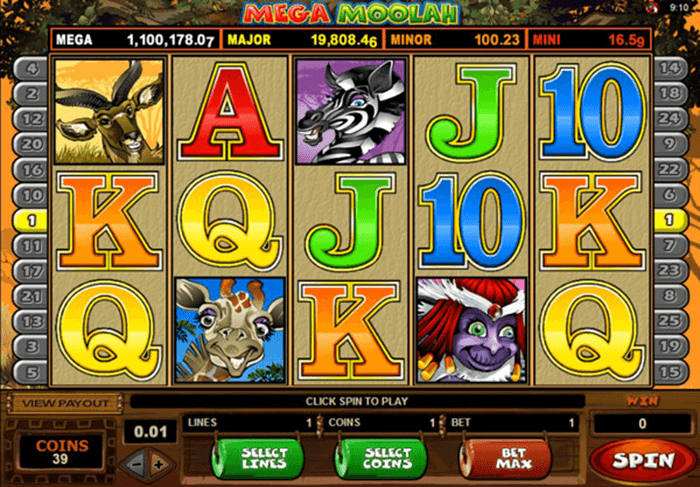
Mega Moolah is often dubbed the “Millionaire Maker” due to its incredible progressive jackpots. Developed by Microgaming, this online slot features an African safari theme with vibrant graphics and engaging gameplay. Players have the chance to win four different progressive jackpots, including the highly coveted Mega Jackpot, which can reach life-changing sums.
With its easy-to-understand mechanics and potential for huge payouts, Mega Moolah captivates both novice and seasoned players alike. The game is known for its frequent bonus features, including free spins and the progressive jackpot bonus round, keeping the excitement level high.
How to Play Mega Moolah Outside of GamStop
If you’ve opted for GamStop but still want to enjoy Mega Moolah, there are ways to play responsibly. Many online casinos operate outside of the GamStop program, allow
ing players to access their favorite games, including Mega Moolah. Before signing up, however, ensure that the casino you choose is reputable and licensed. Here are some options:
Use Non-GamStop Casinos: There are several online casinos that cater to players who are not part of GamStop. These platforms generally offer a wide range of games, including facilitating access to Mega Moolah.
Look for Promotions: Many online casinos provide bonuses and promotions for new players. Look for offers that specifically mention Mega Moolah or similar games. Always read the terms and conditions associated with these promotions.
Set a Budget: To ensure that your gaming experience remains enjoyable, it’s essential to set a budget in advance. Stick to the limits you set for yourself and avoid chasing losses.
Benefits of Playing Mega Moolah Outside of GamStop
Playing Mega Moolah outside of the GamStop program can have several benefits. First and foremost, it enables players to experience this thrilling game without restrictions. Moreover, non-GamStop casinos often provide an array of new promotional offers, loyalty rewards, and a broader selection of games compared to traditional casinos.
Moreover, many of these online casinos offer enhanced mobile gaming options. With the increase in technology, players can spin the reels of Mega Moolah from their mobile devices wherever they are. This flexibility adds to the enjoyment of the gaming experience, making it accessible and convenient.
Considerations Before Playing
While the thrill of playing Mega Moolah outside GamStop can be appealing, it is crucial to approach it with caution. Here are some key considerations to bear in mind:
Licensing and Regulation: Ensure that the online casino is licensed and regulated by a recognized authority. This guarantees a level of safety and fairness in gaming.
Responsible Gambling: Always play responsibly. If you feel that you may be risking your financial health, take a step back and reassess your gambling habits.
Customer Support: Check the availability of customer support. Good casinos will provide numerous options for assistance if you encounter any issues.
Conclusion
Mega Moolah continues to delight players with its exciting gameplay and potential for massive winnings. For those on GamStop seeking to experience this thrilling game, it is essential to explore options in a responsible manner. Playing at licensed non-GamStop casinos can provide the excitement of Mega Moolah, but always remember to gamble responsibly and keep your gaming experience enjoyable.
Horse racing has long been associated with excitement, prestige, and, for many, an opportunity to make some money. However, not every aspect of horse racing betting is universally embraced. This article delves into the various elements surrounding horse racing betting, the intricacies involved, and why some individuals are opting out. Furthermore, we will also highlight where you can find helpful resources to enhance your betting strategy, such as Horse Racing Betting Not on GamStop https://digitalfuturesws.co.uk/.
The Allure of Horse Racing Betting
Horse racing is often referred to as the ‘Sport of Kings,’ and it carries a rich history. Many are drawn to it not just for the thrill of the race, but also for the opportunity to bet on their favorite horses. From the elegant atmosphere of the racetrack to the adrenaline rush of watching a race unfold, horse racing betting offers a unique combination of entertainment and potential financial reward.
Understanding Horse Racing Betting Mechanics
When it comes to the mechanics of betting, there are several key terms and types of bets that every aspiring bettor should know. Understanding these fundamentals is crucial for successfully navigating the world of horse racing.
Types of Bets
1. **Win Bet**: This is the simplest type of wager. You place a bet on a horse to win the race. If your horse comes in first, you collect your winnings.
2. **Place Bet**: Here, you bet on a horse to finish either first or second. The payout is usually less than a win bet but offers better chances of winning.
3. **Show Bet**: A show bet involves betting on a horse to finish in the top three. This is often a safer bet, but the returns are lower.
4. **Exacta Bet**: This bet requires you to predict the first and second place horses in the exact order. This can yield a higher payout but is more challenging to win.
5. **Trifecta Bet**: To win a trifecta, you must correctly predict the first, second, and third place horses in the exact order. This bet provides significant payouts, though it’s notably difficult.
Why Some Choose Not to Engage in Horse Racing Betting
While horse racing betting boasts an array of enthusiasts, there are also many who choose to abstain from this form of gambling. Understanding their reasons can provide greater insight into the dynamics of betting culture:
1. Risk of Addiction
One of the primary concerns surrounding any type of gambling, including horse racing, is the risk of addiction. The thrill of the race coupled with the potential for financial gain can lead some individuals to gamble beyond their means. Many prefer to avoid betting altogether to steer clear of the potential for developing unhealthy habits.
2. Financial Implications
Betting on horse races can quickly lead to significant financial losses, especially if one is not well-versed in betting strategies or the intricacies of the sport. Concerns over losing money can deter individuals from participating altogether, preferring to enjoy horse racing as a spectator sport rather than a gambling opportunity.
3. Ethical Considerations
Some individuals struggle with the ethics of betting, viewing it as an irresponsible or morally ambiguous activity. The
notion of profiting from the potential misfortune of others—especially in a sport where the welfare of horses is paramount—can lead to hesitation about participating in horse racing betting.
Strategies for Responsible Betting
For those who choose to participate in horse racing betting, adopting strategies for responsible play is essential. Here are some key approaches:
1. Set a Budget
Before placing any bets, it’s important to establish a budget. Decide on an amount that you can afford to lose without it affecting your financial stability. This sets clear boundaries and helps mitigate risks.
2. Do Your Research
Knowledge is power in the betting world. Research the horses, jockeys, track conditions, and other factors that might affect the outcome of the race. Staying informed can significantly enhance your chances of placing successful bets.
3. Bet with a Clear Mind
Emotions can cloud judgment. Avoid betting when you’re feeling stressed or experiencing strong emotions. This helps ensure that your decisions are based on logic and research rather than impulse.
Conclusion
Horse racing betting remains a popular pastime for many, driven by the thrill of the sport and the potential for financial reward. However, it is crucial to understand the mechanics of betting and recognize the reasons some opt out. For those who do participate, adopting responsible strategies can lead to a more enjoyable experience. As you navigate the thrilling world of horse racing, resources like https://digitalfuturesws.co.uk/ can provide valuable insights and enhance your betting approach. Enjoy the races, bet wisely, and remember that the enjoyment of the sport should always come first!
Finding the right person for a role can feel overwhelming, but Hiring simplifies this by turning a chaotic search into a clear, structured process of identifying, evaluating, and selecting candidates. It works by breaking the task into manageable steps—from defining what you truly need in a role to thoughtfully engaging with applicants and making a confident final choice. By focusing on alignment rather than just filling a seat, Hiring helps you build a stronger team while reducing stress and guesswork. Ultimately, it transforms a daunting responsibility into a rewarding opportunity to grow your organization with the right people.
Building a Talent Acquisition Strategy That Works
A talent acquisition strategy works only when it mirrors the actual friction of your hiring process. I once watched a team lose a strong candidate because the phone screen felt like an interrogation—so now, every strategy I build starts by mapping the candidate’s emotional journey from first click to offer. Hiring becomes strategic when you treat every interaction as a filter for mutual fit, not just a checklist for skills. That means defining what “good” looks like in behavior, not résumé bullets, and training every interviewer to probe for that evidence consistently.
The real win is speed plus respect: a lean, three-step process that moves decisively without ghosting anyone.
I also track where candidates drop off, then revise job posts and interview scripts based on their feedback—so the strategy adapts to real hiring pain, not theory.
Aligning Recruitment Goals with Long-Term Business Objectives
Recruitment stops being a reactive scramble the moment you tie every open role to a projected business milestone. Instead of chasing a generic “good hire,” define the success profile by asking what that person must deliver in 18–36 months—new revenue streams, operational scale, or leadership depth. Shortlist candidates against those future outcomes, not just today’s vacancy. For each hire, calculate the cost of a wrong fit in delayed projects and team disruption, then adjust your sourcing channels to target people with adjacent industry experience. Aligning recruitment goals with long-term business objectives demands quarterly reviews where hiring KPIs shift as strategy pivots. This ensures your talent pipeline always feeds the company’s next phase, never just its current pain.
Key Metrics That Reveal the Health of Your Hiring Funnel
To gauge funnel vitality, track **time-to-fill** alongside quality-of-hire, as speed without fit signals a broken sieve. Monitor source-to-application conversion to see which channels feed real candidates, not tire-kickers. Your interview-to-offer ratio reveals if screening criteria are too lax or brutally rigid. Watch candidate drop-off at each stage—a spike after the technical assessment means your process is too long or the test is irrelevant. Compare offer-acceptance rate: below 80% indicates your compensation or employer brand lags reality. Finally, measure hiring-manager satisfaction post-onboarding; a low score predicts repeat hires will stall.
Metric
Healthy Signal
Red Flag
Time-to-fill
30–45 days for roles
60+ days with no pipeline
Interview-to-offer
3:1 to 5:1
10:1 (overly strict) or 1:1 (no vetting)
Offer acceptance
85%+
Below 70% (comp or process issue)
Source conversion
Referrals at 20%+ of hires
Job boards dominate at 70%+
When to Scale Up vs. When to Pause and Refine
Knowing when to push the gas versus hit the brakes comes down to your data, not your gut. Scale up your hiring only when your time-to-fill is consistently fast and your new hires are hitting performance benchmarks within the first 90 days. If your offer acceptance rate drops or your team is spending more than 30% of their week on interviews, that’s your signal to pause and refine your sourcing channels or job descriptions first. Rushing more candidates through a leaky funnel just multiplies wasted effort. Build a simple scorecard for quality-of-hire, and follow it monthly. That’s your real compass. When the scorecard looks healthy, scale with paid ads and referrals. When it wobbles, refine before you grow.
Scale up when your hiring metrics are stable and strong; pause and refine the moment quality or efficiency dips.
Crafting Job Descriptions That Attract the Right People
A job description is your first filter, so crafting it to attract the right people starts with replacing generic buzzwords with specific, measurable outcomes. Instead of saying “self-starter,” specify the exact projects they will own and the success metrics you expect. Clearly state the challenge of the role, the tools they will use, and the team dynamics—this allows candidates to self-select out if the reality doesn’t fit. Avoid a laundry list of every conceivable skill; prioritize the top five competencies that predict success, and be explicit about what you do not offer, such as remote flexibility or travel. This honesty saves time for both sides.
A description that filters out the wrong people is more valuable than one that attracts everyone.
Finally, end with a crisp “who you are” versus “what you’ll do” structure, ensuring every sentence serves the single purpose of pre-qualifying applicants before the first interview.
Using Clear, Inclusive Language Without Jargon Overload
To attract the right people, strip job descriptions of internal acronyms and industry shorthand, replacing them with plain terms that describe actual daily tasks. Jargon overload silently filters out qualified candidates, particularly those from non-traditional backgrounds, while inclusive language—such as gender-neutral pronouns and focusing on required skills over “must-haves”—broadens appeal without lowering standards. Write sentences as you would speak in an interview, and test every phrase: if a candidate outside your immediate team would need a glossary, rewrite it. Q: How do I know if my job description is jargon-heavy? A: Read it aloud to a friend outside your field; if they pause to ask what a term means, replace it with a concrete example of the work itself.
Highlighting Growth Paths and Realistic Day-to-Day Impact
To attract candidates who stay, show a clear promotion timeline alongside a brutally honest snapshot of weekly tasks. Pair each growth milestone—say, moving from Support to Account Manager in 18 months—with the exact daily reality: 60% client calls, 20% data entry, 20% troubleshooting. This contrast filters out dreamers and hooks doers. Use a “Month 1 vs. Year 2” table to contrast onboarding duties with future strategic responsibilities. Explicitly state which metrics drive raises and which repetitive chores never disappear. When candidates see both the ladder and the grind, they self-select for resilience and ambition, reducing early turnover and mismatched expectations.
Mistakes That Quietly Drive Strong Candidates Away
The most damaging hiring mistakes are quiet ones embedded in the job description, not overt red flags. Vague phrases like “self-starter” or “fast-paced environment” signal a lack of clarity, driving away candidates who value specificity. Similarly, a long list of “nice-to-have” qualifications—especially when presented as mandatory—forces top talent to self-eliminate, assuming they don’t meet every bar. Overemphasizing years of experience over demonstrated skills also alienates high performers who measure competence, not tenure. Finally, neglecting to mention remote work policy, salary range, or core team tools creates uncertainty, prompting strong candidates to submit elsewhere. Unclear job requirements are the primary hiring mistake that silently filters out the best applicants before they ever apply.
Question: What is the most common quiet mistake that drives strong candidates away?
The most common is inflating the requirements list with non-essential skills, which makes qualified candidates hesitate and withdraw from consideration.
Where to Find Quality Candidates Beyond Job Boards
To secure top-tier talent, look where your competitors aren’t. Tap into employee referral networks first—your team knows the culture and will stake their reputation on a fit. Then, engage passive candidates on niche communities like GitHub, Behance, or industry-specific Slack groups, where skilled professionals gather to share work, not to hunt for jobs. For deeper reach, mine your own CRM and past applicants; those who impressed you months ago might now be ready. Quality hires often hide in plain sight—your alumni and former colleagues are underutilized goldmines. Q: What’s the fastest untapped channel? A: Direct outreach to people who’ve already engaged with your brand, like webinar attendees or newsletter subscribers, because familiarity cuts hiring friction.
Tapping into Passive Talent via Community and Niche Networks
Passive talent discovery thrives inside specialized communities where professionals gather for craft, not careers. Join niche Slack groups, Discord servers, or subreddits where your target role discusses technical problems daily. Observe high-signal contributors—those answering complex questions—then approach them privately with a role framed around their demonstrated expertise. For senior engineers, contribute to open-source repositories they maintain; for designers, engage thoughtfully in Dribbble or design critique circles. Passive candidates often ignore LinkedIn but respond to peer-endorsed outreach. Build a presence by sharing actionable insights, not job posts, for weeks before initiating contact. Warm introductions from community moderators or respected members bypass cold-inbox fatigue. Track repeat contributors in conference talk Q&As or niche podcast comment sections—these unfiltered spaces reveal current problem-solving skills no resume shows.
Leveraging Employee Referrals Without Creating Bias
Employee referrals can be a goldmine for quality candidates, but they can silently turn your team into an echo chamber of the same backgrounds. To avoid that, structure the process by asking for referrals against a *specific role’s skill gaps*, not just “anyone good.” Encourage staff to recommend people from different networks, like former colleagues from smaller companies or alumni groups they rarely mention. Keep a simple scorecard that weighs referrals equally against other applicants, so a referral never gets a fast-track pass if their resume doesn’t fit. Also, cap how many referrals one person can submit per quarter to prevent cliques from dominating your pipeline.
Ask for a written note on the candidate’s unique strengths, not just a name drop.
Mix referral candidates into the same interview loop as non-referrals, with no prior flags.
Track referral source diversity—if 80% come from one team, widen the ask.
Remind staff that a great referral is a match for the job, not a favor to a friend.
Building a Talent Pipeline Before You Actually Need It
Waiting for a vacancy before searching guarantees rushed decisions and diluted standards. Instead, build a talent pipeline before you actually need it by continuously mapping your industry’s passive candidates. Start by identifying the specific roles you hire repeatedly, then engage those professionals through quarterly check-ins, portfolio reviews, or casual coffee meetings—without pitching a job. Track them in a simple CRM with notes on their career goals and availability windows. When a role finally opens, you already possess qualified, warmed-up relationships. This removes the panic of cold outreach and lets you move with quiet confidence, offering roles to people who already trust your judgment.
Screening and Interviewing for Signal, Not Just Polish
Screening and interviewing for signal, not just polish means digging past rehearsed answers and slick presentation to see how a candidate actually thinks. During the screen, skip the “tell me about yourself” and instead ask them to walk through a real mistake they made on the job—listen for ownership, not a tidy redemption arc. In the interview, pose a messy, open-ended problem from your actual workflow and watch whether they ask clarifying questions or just perform confidence. Polish often masks adaptability; a candidate who stumbles verbally but recovers with logic is usually a better hire than one who delivers smooth but shallow responses.
You’re not hiring a presenter; you’re hiring a problem-solver, so probe for the messy middle—how they react when they don’t know the answer tells you more than any rehearsed STAR story.
Trust the signals of curiosity, friction, and self-correction over the shine of a practiced pitch.
Structured Interviews vs. Casual Chats: What Predicts Performance
Structured interviews predict performance because they force every candidate through identical, job-relevant questions, enabling direct comparison of answers against pre-defined criteria. Casual chats, while pleasant, rely on gut feeling and are heavily biased by polish, confidence, or shared backgrounds—factors unrelated to actual skill. Structured interviews isolate predictive signal by using behavioral questions (e.g., “Tell me about a time you failed”) and scoring responses on a fixed rubric, which reduces halo effects and interviewer inconsistency. Casual chats produce unreliable data because questions vary per candidate, making apples-to-apples evaluation impossible.
Ask the same questions in the same order to every applicant.
Use a numeric scoring scale for each answer, not a general impression.
Weigh concrete past behaviors over hypothetical promises or charm.
Behavioral Questions That Uncover Problem-Solving Styles
Behavioral questions reveal problem-solving styles by forcing candidates to reconstruct a specific past challenge rather than recite hypothetical ideals. Instead of asking “How do you handle conflict?”, prompt with “Walk me through a time a project’s requirements changed mid-way—what was your first concrete action?” Listen for whether they prioritize data gathering, stakeholder negotiation, rapid prototyping, or structured decomposition. A candidate’s chosen sequence—diagnose before acting versus test-and-iterate—exposes cognitive defaults. Press for the exact moment they decided to escalate or pivot, and note whether they credit team input or individual initiative. This uncovers authentic problem-solving style under pressure, distinguishing those who adapt dynamically from those who merely describe textbook processes.
Red Flags That Are Often Overlooked in Early Rounds
Early-round red flags hide in how candidates *think*, not just what they say. Overlook the polished story and watch for **overlooked interview red flags** like blaming past teams for every setback—a subtle refusal to own mistakes. Also flag vague answers about metrics: if they can’t recall specific numbers, they likely never measured their impact. Another silent killer is asking zero questions about your product’s *trade-offs*; it signals low intellectual curiosity. Finally, note if they interrupt or talk over you—this predicts collaboration friction. These micro-behaviors cost far more than a weak skill gap, because they resist training.
Q: What’s the fastest overlooked red flag in round one? A: Candidates who describe successes only as “we” but failures only as “they”—it reveals accountability avoidance without needing a second interview.
Assessing Skills Fairly and Efficiently
Fair skill assessment means judging what someone can actually do, not where they learned it or how they interview. Skip the résumé screening rabbit hole and use work-sample tests—real tasks they’d tackle on the job. Structure every candidate’s experience identically, with the same prompts and scoring rubric, so you’re comparing apples to apples. Time-box practical challenges to keep things efficient, and use a blind review where names and backgrounds are hidden to cut unconscious bias. Speed matters, but reliability matters more. For example, a quick Q&A: “Should I use a timed coding test for every role?” Not always—pick the one or two key skills that truly predict success, then test those directly. Keep it short, scored, and repeatable, and you’ll hire faster without playing favorites.
Work Sample Tests That Mirror the Role’s Daily Demands
Work sample tests that mirror the role’s daily demands assess actual job performance rather than abstract knowledge. To build one, deconstruct the role’s core tasks—drafting a client email, debugging a script, or reconciling a ledger—then replicate them under realistic constraints like time limits and available tools. This approach yields predictive validity for on-the-job success because candidates demonstrate skills, not just claims. Administer the test in a controlled environment to ensure authenticity and compare outputs against a pre-defined rubric. For best results, follow this sequence:
Observe top performers to identify frequent, high-impact tasks.
Design a short, standardized scenario using actual work materials.
Score blind, focusing only on output quality and process efficiency.
This method reduces bias by grounding evaluation in directly relevant evidence.
Balancing Technical Assessments with Cultural Contribution
Balancing technical assessments with cultural contribution requires deliberately weighting both hard skills and interpersonal impact from the first screening stage. A practical method is to score technical tasks separately from behavioral probes, then compare candidates only within the same role level to avoid bias. Cultural contribution scoring should prioritize additive behaviors—like how a candidate elevates team discourse or resolves conflict—rather than vague “fit.” Use structured rubrics where technical pass marks are fixed, but cultural contribution can slightly adjust final ranking only when technical scores are within 10% of each other. This prevents a charismatic candidate from overriding clear skill gaps while still rewarding those who strengthen collaboration. For senior roles, weight contribution higher; for junior roles, technical ceiling matters more. A weighted matrix, not an interview gut check, keeps this balance repeatable and defensible.
Avoiding Over-Testing: When Enough Is Enough
In hiring, over-testing inflates cost and time without improving signal. Set a hard limit of three distinct assessments per role—skills, cognitive, and a work-sample—before any interview. When a candidate consistently passes each stage, resist adding “just one more” test to validate suspicion; enough is enough when your top performers would also fail the extra hurdle. Every additional test disproportionately filters out capable candidates who simply lack test-taking stamina, not job competence. Stop the moment you have a rankable score and behavioral evidence. More data here creates noise, not fairness, and delays offers to agile talent.
Avoiding over-testing means locking a fixed assessment sequence, trusting its pre-validated thresholds, and deciding before a single test is sent—the last test you add is the first good hire you lose.
Making a Compelling Offer That Closes the Deal
A candidate’s final decision rarely hinges on salary alone—it’s the compelling offer that makes them envision their future with you. I once watched a great hire almost walk away over a rigid start date; the real fix was closing the deal by restructuring the package around their life, not just the role. We added a four-day onboarding week and a clear 90-day growth path, which mattered more than a signing bonus. The winning move is to ask what would remove their hesitation, then tailor the total value—flexibility, meaningful projects, and immediate impact—so the decision feels inevitable. When you frame the offer as a story of their success, not a list of terms, hesitation dissolves. That’s how you turn a maybe into a handshake.
Benchmarking Compensation Against Market Shifts
To close a deal today, you must anchor your offer to the current pulse of talent demand. Benchmarking compensation against market shifts means pulling real-time salary data before you extend the proposal, not relying on last year’s budget. Regularly review competitor postings and compensation surveys to spot where pay has jumped for critical roles, then adjust your offer ceiling accordingly. If a candidate receives a counteroffer, re-benchmark instantly to respond within hours. This practice turns your offer into a market-responsive compensation strategy that feels fair and immediate, minimizing hesitation. By tying your number to live realities, you signal you understand the candidate’s value right now, not six months ago.
Framing Benefits and Flexibility Beyond the Paycheck
To close a deal, frame benefits and flexibility as strategic solutions to the candidate’s specific life constraints, not as generic perks. Present remote options, compressed workweeks, or paid time off as tailored tools that boost their productivity and well-being. Quantify the value of non-salary items—like health coverage or learning stipends—to make their worth tangible. Emphasize how autonomy over schedules reduces stress and fosters ownership, directly linking these choices to their long-term career growth. By positioning flexibility as a collaborative decision rather than a fixed policy, you show respect for their priorities. This approach shifts the conversation from compensation to holistic value, making the offer feel uniquely personalized and difficult to decline. Personalized flexibility framing transforms standard benefits into compelling, decisive advantages.
Handling Negotiations Gracefully Without Losing Momentum
Handle counteroffers as a natural step, not a battle. Respond quickly to show you’re engaged, then anchor the conversation on the role’s excitement and growth potential. If they ask for more money, acknowledge it warmly, restate your top-line value, and pivot to a creative middle ground—like a signing bonus or extra PTO—rather than re-litigating salary. Keep every reply purposeful and time-boxed; a graceful “let’s wrap this by Thursday” preserves urgency. Negotiating without losing momentum means treating each exchange as a bridge, not a hurdle. End each message with a forward-looking question—about start dates or project kickoff—so the decision feels like the next step, not a standstill.
Onboarding That Turns New Hires into High Performers
Effective onboarding is the bridge between a signed offer and a high-performing hire, directly determining your hiring ROI. Instead of a paperwork dump, structure the first 90 days around rapid role mastery through real, small wins, pairing each new hire with a mentor who models success, not just culture. Daily check-ins during week one, followed by weekly feedback loops, close the gap between expectations and execution, accelerating their contribution curve. Connect every task to a measurable business outcome so the hire sees how their work moves team metrics, which fuels intrinsic drive. However, the most dynamic onboarding treats the first month as a two-way audit—where the hire’s fresh perspective challenges existing workflows, making them a co-architect of their own role. This shift from passive assimilation to active problem-solving turns initial anxiety into confident ownership, proving that onboarding isn’t an HR formality but the decisive stage where hiring promises convert into tangible performance.
Designing the First 90 Days for Quick Wins and Deep Learning
The first 90 days should be architected as a dual-track system where rapid onboarding acceleration is balanced against structured role comprehension. The initial two weeks must prioritize a single, achievable quick win—such as resolving a documented customer pain point—to build momentum and validate the hire’s practical utility. Concurrently, deep learning is scheduled deliberately through shadowing, reverse mentoring, and weekly “systems mapping” sessions that unpack underlying workflows rather than surface-level tasks. Each week, the manager reviews progress against a pre-built 13-week checklist, adjusting the ratio between execution and learning. This prevents premature autonomy without sacrificing productive contribution, ensuring the new hire builds contextual mastery while delivering tangible value.
Define three measurable quick wins before day one, each linked to existing team metrics.
Implement a “learning log” where the new hire documents one systemic insight per day for the first 60 days.
Schedule a 30-day checkpoint to correct course, focusing on which learning gaps block the next quick win.
Use the final 30 days to transition the hire from supported tasks to independent ownership of a small project.
Assigning Mentors and Setting Clear Early Milestones
Assigning a mentor from day one gives new hires a go-to person for the unspoken rules, not just the org chart. Pair them with someone who genuinely enjoys teaching, then set clear early milestones that are bite-sized—like completing a first draft or shadowing a client call within the first two weeks. These quick wins build confidence and give your mentor a concrete focus for check-ins. Milestones work best when they’re slightly challenging but absolutely achievable, so the new hire feels momentum instead of overwhelm. Review progress weekly, tweak the timeline if needed, and celebrate each finish line. This combo turns ambiguity into a structured ramp-up that accelerates role readiness without burning anyone out.
Gathering Feedback Before the Honeymoon Phase Ends
Actively gathering structured feedback from new hires before the 30-day mark prevents small frustrations from calcifying into disengagement. Schedule brief weekly one-on-ones focused solely on their experience, not task progress, to surface friction points while they still feel safe being candid. Ask what they expected versus what they’ve encountered, and probe for barriers around tools, clarity of role, and team norms. Document these responses immediately and act on one actionable item per session to prove responsiveness. Real-time adjustments during the honeymoon phase preserve enthusiasm and prevent silent attrition.
Use anonymous pulse surveys specifically for weeks 2–4 to capture candid early impressions.
Ask “What surprised you most about your first two weeks?” to reveal hidden process gaps.
Summarize feedback themes and share fixes in a weekly team update to close the loop.
Reducing Time-to-Hire Without Sacrificing Quality
Reducing time-to-hire without sacrificing quality demands a structured, up-front investment in role clarity and candidate evaluation. Define a concise scorecard of must-have competencies before opening the role, ensuring every interviewer rates candidates against the same benchmarks. Use structured, behavior-based interviews with pre-approved questions to cut unstructured back-and-forth, while a brief, skills-based assignment early in the process filters out mismatches before final rounds. Streamline logistics by blocking interview slots in advance and requiring hiring managers to submit feedback within 24 hours. The fastest hires often come from maintaining a proactive talent pool, not from rushing the current pipeline. Finally, automate only the administrative steps—scheduling, status updates, and reference checks—while keeping human judgment on culture fit. This approach shortens the cycle by eliminating redundant debates, without lowering the bar for technical or behavioral fit, and it ensures each candidate receives a decisive, timely answer—preserving candidate experience even as the process accelerates.
Streamlining Approval Chains and Feedback Loops
Lengthy approval chains silently extend time-to-hire, so compress them by granting recruiters pre-approved offer authority up to a set salary band. Simultaneously, enforce a structured feedback loop where every interviewer submits a standardized scorecard within 24 hours of the interview. This removes waiting on a single hiring manager’s availability and prevents bottlenecks. Pair this with a rule: if feedback is missing after 48 hours, the candidate automatically advances to the next stage, unless a hiring manager actively blocks. By making approval exceptions rare and feedback deadlines non-negotiable, you maintain quality checks without letting process friction cost you top candidates.
Using Technology to Automate Scheduling and Admin Work
Automating scheduling and admin work is the easiest win for speeding up hiring without dropping your standards. Instead of bouncing emails to find a time, let candidates pick from your live calendar, cutting decision delays down to minutes. Use tools that auto-send reminders and collect basic info upfront, so your recruiter never chases paperwork again. This frees you to focus on meaningful candidate evaluations, not logistics. Keep a simple checklist in your ATS to ensure every interview slot gets a structured, consistent review—automation handles the boring parts, but you keep judgment where it counts.
Cutting Steps That Add No Predictive Value to the Decision
Cutting steps that add no predictive value begins with a forensic audit of each hiring stage against its correlation to on-the-job success. Remove unstructured introductory screeners when their sole output is a subjective impression, since they merely duplicate information already found in work samples. Replace multi-round interviews with a single, structured competency assessment, which yields higher validity while slashing calendar time. Eliminate portfolio reviews that are never scored against a rubric, and discard reference checks that only confirm employment dates. For every retained step, demand evidence: if a task does not differentiate strong from weak performers, it is noise. This creates a lean pipeline where speed becomes a byproduct of better signal extraction, not a trade-off. The sequence is: map existing steps, score each for validity, delete low scorers, then compress remaining stages into parallel tracks.
Improving Diversity Through Process, Not Just Intent
Improving diversity in hiring means tweaking the system, not just wishing for better vibes. You have to strip bias out of the mechanics—like using structured interviews where every candidate answers the same questions in the same order, scored on a fixed rubric. That prevents one chatty person from overshadowing a quieter, equally qualified one. Also, anonymize resumes to remove names and schools, forcing a focus on skills. A key insight:
blinding initial screens often reveals that the “culture fit” you were chasing was really just a mirror of yourself.
Finally, set a hard rule: no candidate is rejected by a single person’s gut feeling. Require a second reviewer for any “no.” That small check slows down impulsive decisions and forces a process that actually values difference.
Rethinking Sourcing Channels to Reach Broader Groups
To reach broader groups, rethinking sourcing channels requires moving beyond job boards and executive-velocity.com employee referrals, which often mirror existing networks. Instead, audit where underrepresented candidates already gather, such as industry-specific communities, alumni networks from diverse institutions, and professional affinity groups. Partner directly with these organizations to co-host events or share openings, ensuring the language in postings avoids jargon that might exclude non-traditional backgrounds. Additionally, evaluate passive talent pools by leveraging Boolean searches on professional platforms targeting specific certifications or skills rather than titles. Finally, track which channels yield diverse candidates, then reallocate budget toward those proving effective. This iterative, data-driven approach ensures sourcing becomes a deliberate, repeatable process.
Calibrating Interview Panels for Multiple Perspectives
Calibrating interview panels for multiple perspectives transforms hiring from a subjective gamble into a structured evaluation. Assign each panelist a distinct lens—such as technical depth, cultural add, or cognitive flexibility—before the first candidate arrives. This prevents groupthink and ensures every decision is scrutinized through varied, deliberate filters. To make this effective, harmonize your scoring rubric so each perspective carries explicit weight, eliminating the dominance of a single loud voice. Structured panel calibration forces interviewers to compare notes on observable behaviors rather than gut feel, producing a composite view that surfaces blind spots. Run a mock panel first, testing how these angles interact, so real interviews stay consistent and bias-resistant from start to finish.
Removing Unconscious Barriers in Scorecards and Criteria
Removing unconscious barriers in scorecards and criteria requires auditing every evaluation input for bias-laden proxies. Replace vague attributes like “culture fit” with observable, role-specific behaviors, and strip criteria that correlate with privilege, such as pedigree or tenure. Bias-interrupted scorecards use anchored rating scales where each level defines concrete evidence, preventing subjective interpretation. Sequence the fix: first, list all current criteria and flag any that lack direct job relevance; second, weight each criterion against validated performance predictors; third, pilot the revised scorecard with hiring managers to compare scores against actual outcomes. Finally, mandate that interviewers score independently before any group discussion, preventing dominant voices from skewing evaluations.
Tracking What Works and Pivoting When It Doesn’t
Hiring isn’t a set-it-and-forget-it formula; it’s a live experiment where you must track which source delivers your best long-term performers, not just the fastest fill. Log every hire’s channel, interview score, and 90-day retention, then compare that data monthly. If referrals consistently outperform job boards, shift your budget and energy there immediately. When a structured interview question fails to predict success—say, candidates ace it but flounder on the job—pivot to a role-play scenario that mimics real challenges. Every misstep is a signal, not a failure. Track the metric that matters most: quality of hire six months in, not time-to-hire alone. Q: What’s the fastest way to know a sourcing channel is failing? A: If two straight hires from that channel leave within a quarter, cut it and test two new channels this week. Pivot weekly, not annually, and let your own hiring data lead every move.
Sources of Hire: Which Channels Deliver Retained Talent
Tracking which channels yield employees who actually stay, not just applicants, transforms your hiring strategy. Employee referrals often produce the highest retention because candidates arrive pre-vetted by trusted insiders, while job boards may flood you with volume but demand rigorous screening to filter for long-term fit. Analyze your data quarterly, comparing six-month or one-year survival rates against the source. If referrals fade, reignite them with bonuses; if niche communities outperform, double down there. Retained talent by source is your clearest signal for reallocating budget—pause weak channels, scale proven ones, and revisit alumni networks or internal mobility, which quietly deliver loyal hires.
Exit Interviews and Early Attrition Patterns as Diagnostic Tools
Exit interviews and early attrition patterns are your hiring process’s built-in feedback loop, not just awkward farewells. When someone leaves within the first 90 days, that’s a signal—often pointing to a mismatch between what you promised in the interview and the day-to-day reality. Use structured exit questions specifically about the hiring stage: “What made you accept the offer?” and “What surprised you negatively?” Then, cluster those answers to spot recurring themes, like job descriptions overselling growth or a slow, confusing interview process. *A single resignation is a story, but three in the same role reveal the actual flaw in your system.* Track where in the funnel these leavers entered, too—if most were hired after rushed final rounds, slow down. Treat every exit as free data to adjust your interviews, offer letters, and onboarding handoff. Early attrition is the cheapest diagnostic tool you already own, so act on it before the pattern becomes permanent.
Regularly Updating Your Playbook Based on Real Data Points
Treat your hiring playbook as a living document, not a static PDF. After every ten hires, pull the actual time-to-fill, source quality, and interview-to-offer conversion rates, then rewrite the sections that underperform. If your data shows that referrals convert at 40% while job boards sit at 8%, cut board spend and double down on referral incentives. When a specific interview question predicts a poor probation outcome, remove it immediately. Schedule a monthly data review where you compare your playbook’s stated steps against the numbers, and adjust the sequence based on what the pipeline reveals. This iterative loop ensures your process evolves with your workforce, not your assumptions. Real data points transform hiring from guesswork into a repeatable system that sharpens with every role filled.
Regularly updating your playbook on real data points means letting actual hiring metrics dictate every change, so your process stays agile, precise, and effective.
What Does the Hiring Process Actually Look Like Step by Step?
From Job Posting to Offer Letter: The Core Stages You’ll Navigate
Who Does What: Roles of Recruiters, Hiring Managers, and HR
How Long Should Each Stage Take? A Realistic Timeline for Beginners
How to Write a Job Description That Attracts the Right People
Must-Have Sections: Beyond the Job Title and Salary
Words That Filter Out Unqualified Candidates (and Phrases That Don’t)
How to Set Clear Requirements Without Scaring Off Good Applicants
Where to Find Candidates: Sourcing Channels That Actually Work
Job Boards vs. Social Media vs. Employee Referrals: Which to Use First
How to Build a Talent Pipeline for Hard-to-Fill Roles
Passive Candidates: How to Reach People Who Aren’t Actively Applying
How to Screen Resumes and Applications Without Bias or Overload
Key Red Flags and Green Flags to Look for in the First 30 Seconds
Using Pre-Screening Questions to Shortlist Faster
When to Use Skills Tests or Work Samples Before the Interview
How to Run Interviews That Predict On-the-Job Success
Structured vs. Unstructured Interviews: Which Gives You Better Data
Behavioral Questions: How to Ask Them and What Answers to Listen For
Panel Interviews, Take-Home Assignments, and Trial Days: Pros and Cons
How to Compare Final Candidates and Make the Right Choice
Building a Scoring Matrix That Weighs Skills, Experience, and Culture Fit
Checking References: What to Ask and How to Verify Claims
How to Handle a Tie Between Two Strong Candidates
How to Make an Offer That Gets Accepted (and Handle Rejections)
What to Include in a Competitive Offer Beyond the Base Salary
Negotiation Tactics: What You Can Flex and What You Should Keep Firm
Common Reasons Candidates Turn Down Offers and How to Prevent Them
What to Do After You Hire: Onboarding Steps That Reduce Early Turnover
The First 7 Days: What New Hires Need to Feel Productive
Setting a 30-60-90 Day Plan for Clear Expectations
How to Check In Early to Fix Problems Before They Become Resignations
EA Store Guide: Games, Deals, and EA Play Membership Explained
The EA store is the definitive digital hub where your gaming passion meets instant access to blockbuster titles, and its real value lies in turning every purchase into a direct pipeline of exclusive content and seamless updates. When you shop there, you unlock the full power of the EA ecosystem, letting you download games straight to your library, manage your subscriptions, and jump into live-service worlds without ever leaving the platform. The benefit is simple: you get day-one access and member-only perks that make every dollar spent feel like an investment in your next epic session, all wrapped in a streamlined interface built for speed and convenience. Whether you’re grabbing a pre-order or redeeming a reward, the store puts the entire EA catalog at your fingertips with zero friction and maximum payoff.
Navigating the Digital Shelf: A Complete Tour of Electronic Arts’ Official Platform
Navigating the digital shelf of the EA store is less about hunting and more about curating your own gameplay library. The front page prioritizes what’s trending, but the real trick is using the filters on the left sidebar to sort by platform, price, or game type—so you skip the noise and land straight on a sale or a hidden gem. Your wishlist acts like a bookmark, letting you track price drops without refreshing every page. Oddly, the search bar sometimes ignores partial titles, so typing the full game name speeds things up significantly. Before you buy, always check the “Edition” tab, because the standard version is often buried under the deluxe bundles. Your cart also keeps a running total with tax included, which is refreshingly transparent. Downloading is instant once payment clears, and your library updates automatically, so you can jump straight into play without extra redemption steps.
What Sits on the Virtual Shelves: Games, DLCs, and Expansions
The virtual shelves of the EA store are stacked with far more than base titles; you will find the complete catalog of franchises like *Battlefield* and *The Sims*, where premium DLC and expansions sit prominently next to the main games. Each product page offers a clear breakdown, letting you instantly add a season pass, a cosmetic bundle, or a story-driven expansion without leaving the interface. The storefront smartly cross-promotes related content, pulling up available add-ons for games already in your library while highlighting the latest expansion packs for blockbuster releases. Navigation is practical, too—dedicated tabs filter out the clutter, allowing you to jump straight from a core game to its substantial content packs and smaller gameplay boosts in just a couple of clicks.
Exclusive Drops: Finding Content You Can’t Get Anywhere Else
Navigating the official EA store’s **exclusive drops** requires targeting specific product pages rather than the general catalog. These limited releases—such as collector’s edition steelbooks, digital-only pre-order bonuses, or branded merchandise—appear only under a game’s dedicated hub, often tied to your EA account’s play history. To secure them, enable email alerts on the title’s page and check the “Editions” tab daily, as stock is never synced with third-party retailers. Unlike standard DLC, these drops are unlisted in search and vanish permanently once the campaign timer expires. A key rule: if you see an item labeled “EA Only,” it cannot be re-issued, so purchase during your session rather than saving to cart. Exclusive drops for EA store buyers typically require the EA app installed, not a browser, for checkout verification.
Q: How do I know an exclusive drop is available without endlessly refreshing the page? A: Visit the game’s official store page and look for a countdown badge under the “Packs & Bonuses” section—this badge only appears for items flagged as EA-exclusive, and it lists the exact remaining hours before the drop disappears.
The Membership Puzzle: Breaking Down EA Play and Pro Tiers
Navigating the EA store’s membership maze hinges on understanding where each tier applies. EA Play grants a 10% store-wide discount and early trial access, but you must own the base game to purchase DLC at that reduced rate. EA Play Pro, however, unlocks the full editions of new titles directly in your library, yet its store discount remains capped at 10%—meaning Pro’s value is in content access, not cheaper add-ons. For in-game currency or season passes, always check if your tier covers the specific item, as Pro includes some Ultimate Edition bonuses but not every microtransaction. Q: Should I buy a season pass with EA Play or upgrade to Pro? A: Only upgrade if you want immediate full-game access; otherwise, the pass via EA Play’s 10% discount is cheaper per title. Before any purchase, verify whether the item’s page shows a “Pro included” tag, since that is the only guarantee of store-side coverage.
Monthly Subscriptions vs. One-Time Buys: Which Wallet Wins?
Deciding between a monthly subscription and a one-time buy in the EA store depends entirely on your play frequency. A monthly subscription wins if you plan to finish two or more full-priced titles within that month, as the cost of one game’s retail price covers the entire catalog access. Conversely, a one-time purchase protects your wallet when you only want a single, specific title like *Madden* or *FIFA* and will play it for months without needing newer releases. The subscription’s recurring charge becomes a loss if your session time dips, while an outright buy retains permanent value. Comparing subscription versus outright purchase cost reveals no universal winner; your gaming pace dictates the cheaper route.
Calculate your yearly game count: fewer than two new EA titles per year favors one-time buys.
Check if the subscription’s included older library replaces eacompanystore.com games you would otherwise buy at full price.
Factor in early trial access only if you would actually start playing during that trial window.
Set a calendar reminder to cancel after a month-long binge to avoid unintended renewals.
Play First Trials: How Early Access Actually Works
Play First Trials give you a time-limited head start on new EA releases, not just a demo. When a game launches, EA Play members unlock up to 10 hours of full-game access immediately, letting you progress, earn achievements, and keep your saves if you buy later. The trial timer pauses only when you exit the game, so you stretch those hours across multiple days. Inside the EA store, you’ll see a “Try First” button on eligible titles—click it to download the entire game and start playing instantly. Since your progress carries over, the trial acts as a risk-free evaluation period before you commit to a purchase.
Find the “Play First” tile on the game’s store page.
Download the full title—no separate client needed.
Play up to 10 hours, then decide to buy and keep all progress.
Deals, Discounts, and Seasonal Sales: When to Strike
Timing your purchase at the EA store hinges on predictable discount cycles, not random luck. The deepest cuts—often 50–75% off—arrive during the store’s seasonal sales: Spring, Summer, and the year-end Holiday Blowout. For new releases, wait at least six to eight weeks post-launch, as a first modest price drop typically appears then, but the real value emerges when you bundle base games with their season passes during these events, as individual DLC rarely see standalone reductions. Strike on Black Friday and Cyber Monday for the broadest catalog coverage, while target franchise-specific anniversaries for older titles reaching their historical lows. Avoid buying full-price days before a major sale; check the store’s “Upcoming” tab or follow their social feeds for announced dates. Lastly, use wishlists—EA store notifies you of price changes, letting you pounce on daily flash deals that last only 24–48 hours.
Holiday Blowouts and Franchise Weekends: Timing Your Purchases
To maximize your savings on the EA store, timing your purchases around Holiday Blowouts and Franchise Weekends is your sharpest move. Holiday Blowouts, like Black Friday or New Year’s, slash older titles down to historical lows—perfect for clearing a backlog. Franchise Weekends, however, target a single series, such as *Battlefield* or *The Sims*, offering deep discounts on bundles and DLC that rarely drop otherwise. *If you want the full season pass, wait for a Franchise Weekend rather than grabbing the base game alone during a blowout.* For new releases, skip both; for GOTY editions or complete collections, these windows are your only reliable strike points. Set a calendar alert for each event to avoid impulse-filling your cart.
Price Drops on Older Titles: The Value of Patience
Patience is a reliable strategy for EA store shoppers targeting older titles. Games from previous seasons typically see incremental price reductions as newer releases dominate the catalog, making waiting for legacy game discounts a practical way to maximize value. Instead of purchasing at launch, monitor the store’s rotating sale events, where older franchises often receive steeper percentage cuts than recent additions. For example, a title released two years ago may drop to 50–75% off, whereas a six-month-old game rarely exceeds 30%. This approach suits single-player campaigns or backlog additions, as online server longevity is less of a concern for offline modes.
Check the “Last Chance” section for older titles nearing removal, as prices often hit their lowest point there.
Wishlist older games to get automatic alerts when their permanent price is reduced during seasonal sales.
Bundle older titles with newer DLC packs—the base game often drops first, with expansions following months later.
Beyond Games: In-Game Currency, Cosmetics, and Battle Passes
The EA store is your direct line for grabbing in-game currency, whether you’re stocking up on FIFA Points or Apex Coins, so you can skip the grind and jump straight into packs or new legends. Beyond that, cosmetics are where the store shines—you’ll find exclusive skins and outfits that aren’t always available in-game, making your character truly yours. Battle passes are also front and center, letting you snag the current season’s pass for games like Battlefield or Madden without hunting through menus. It’s worth checking the store weekly, since limited-time cosmetic bundles often rotate faster than you’d think. Just remember that currency purchases are tied to your EA account, so spend wisely—refunds are rare, and balance carries across most titles, but not every game.
FIFA Points, Apex Coins, and MADden Cash: The Microtransaction Maze
Navigating the microtransaction maze in the EA store means understanding how FIFA Points, Apex Coins, and Madden Cash remain siloed currencies, each locked to its specific game ecosystem. Your balance in one title never transfers, so you’ll buy them separately for each Ultimate Team or battle pass. FIFA Points unlock premium packs, Apex Coins purchase seasonal battle passes and cosmetic legends, while Madden Cash fuels player packs and training. This deliberate fragmentation pushes you toward repeated purchases. Before spending, always confirm which game the currency is for—a costly mistake is buying the wrong coin bundle. These currencies do not expire, but they do not pool either.
FIFA Points only work for FUT, not Volta or Career Mode.
Apex Coins are shared across Apex Legends platforms if your EA account is linked.
Madden Cash is strictly for Madden Ultimate Team, not Franchise mode.
Store bundles often mix these currencies, so check the breakdown before checkout.
Cosmetic Bundles vs. Gameplay Boosters: Reading the Fine Print
When you browse the EA store, the difference between a cosmetic bundle and a gameplay booster often hides in the fine print for in-game purchases. A skin or emote is a one-time unlock tied to your account, but a booster—like XP or credit multipliers—frequently carries a timer that starts the moment you buy it, not when you log in. Check whether the bundle’s description says “permanent” or “season-limited,” as some cosmetic items rotate out of availability. Also, verify if a booster stacks with other active boosts or overwrites them. Finally, confirm the refund policy: EA typically won’t refund consumable boosters after activation, whereas unused cosmetics may be eligible. That small print decides whether your purchase enhances your session or just empties your wallet.
Payment Options and Regional Pricing: A Global Checkout
The EA app’s checkout feels like a local market stall that somehow knows your address. When I switched my region to India, the storefront flipped to rupees, and my wallet breathed easier after seeing the ₹1,999 price tag for *Star Wars Jedi: Survivor* instead of the $69.99 US sticker. Payment-wise, I paid via UPI, which is as frictionless as tapping a metro card, though my friend in Brazil had to rely on local credit card installments since PayPal isn’t always accepted there. The catch? Regional pricing isn’t a blanket discount—it fluctuates by title, and using a VPN to cheat the system can lock your account. **Does EA charge in my local currency automatically?** Yes, if your billing address matches the store region, but prepaid cards from another country may force a conversion fee. The real trick is checking the price in your home currency *before* adding DLC to your cart, since add-ons often follow the storefront’s base region, not your payment method.
Accepted Cards, PayPal, and Wallet Credits: What Goes Through
At EA store checkout, your transaction hinges on a clear hierarchy of payment methods. Major credit and debit cards—Visa, Mastercard, American Express—are universally accepted for direct purchases, processing instantly without hidden surcharges. PayPal offers a seamless alternative, letting you route payments through your linked bank account or card balance, which adds a layer of buyer protection and expedites checkout by skipping manual entry. However, wallet credits are the most restrictive option: they only apply to EA’s own ecosystem, can’t be combined with promo codes in a single step, and often require you to top up in fixed denominations. Crucially, if your wallet balance partially covers a game, you must pay the remainder with a card or PayPal—there’s no split with a second wallet source.
Regional Price Variations and Currency Conversion Fees
Regional price variations on the EA store mean the same title can cost significantly less or more depending on your billing country, not on a universal USD/EUR tag. These adjustments are applied at checkout based on your IP and payment method’s origin, so using a VPN or a foreign card rarely changes the final price. Currency conversion fees are then added by your bank or PayPal when your local currency differs from the store’s settlement currency, typically 1.5–3% above the mid-market rate. To minimize surprises, check the local price before purchase, then apply a no-foreign-transaction-fee card. If a mismatch appears, the sequence is: select country, see regional price, and confirm conversion cost before final payment.
Downloads and Refunds: Handling Post-Purchase Reality
The Great Purchase is done, but the real story begins when you hit that download button. In the EA store, your library becomes a waiting room where massive day-one patches and the EA app’s quirky launcher can turn excitement into a slow-burn test of patience. When a title refuses to install cleanly or your hard drive cries foul, reality hits: refunds are not a magic undo button. Post-purchase reality in the EA store is a narrow window, not a safety net—you get 24 hours or less than two hours of playtime, whichever comes first, and that’s it. I once bought a whole bundle, watched the download stall for an afternoon, and by the time I got it running, the clock had already eaten my grace period.
The refund is a mercy, not a right—if the download breaks your spirit, you must act before the playtime counter tells your tale.
Always verify file integrity first, because after that window closes, the game is yours, scars and all.
Pre-Loading Before Launch: Getting Ahead of Release Day
Pre-loading before launch on the EA app lets you download the game files days ahead of release, so you can play the moment the servers go live. After purchasing a qualifying title, find the “Pre-Load” button on its store page; the download locks the files until the official unlock time. Early access pre-load windows often open 72 hours before launch for Deluxe editions, while standard versions typically unlock 24 hours prior. Your download bandwidth during pre-load determines whether you finish before launch, so prioritize wired connections over Wi-Fi. Q: Can you pre-load if you pre-order just hours before release? Yes, but the download may not complete in time if the file size exceeds your connection speed.
The Self-Service Refund Portal: when you can claw money back
The Self-Service Refund Portal is your fastest route to claw money back from EA, putting refund control directly in your hands without waiting on support tickets. You can request a refund for eligible purchases within 14 days of buying, provided you’ve played less than two hours—a standard that keeps the process fair for both sides. Clawing back your cash only works if the transaction meets EA’s criteria, so check your game’s page for the “Refund” button before assuming you qualify. Once approved, funds return to your original payment method within a few business days, making the portal a practical tool for buyer’s remorse or technical misfires.
Verify your purchase date and playtime against the 14-day/two-hour rule before filing.
Use the portal for accidental duplicates, not for in-game content like currency or packs.
Monitor your email for instant approval or a request for more details.
Technical Hiccups on the Platform: Server Drops and Patch Woes
Navigating the EA store often means contending with server drops that interrupt downloads mid-transfer, forcing a manual restart of the queue. These outages are frequently tied to high-traffic periods, causing the launcher to show a frozen progress bar or a generic error code. Patch woes are equally common, particularly after a major update, where the client may repeatedly fail to validate files, triggering a full re-download loop. A frequent workaround is clearing the launcher’s cache, but if the issue persists, a full reinstall is often the only reliable fix. Server-side rollbacks of faulty patches can erase local settings, so backing up your configuration folder before any large update is a prudent step to avoid repeating the same troubleshooting cycle.
Authentication Errors and Login Loops: Quick Fixes
When the EA app traps you in an endless login loop or rejects valid credentials, the fix usually lies in clearing the cached authentication tokens. First, fully exit the client via the system tray, then delete the `EACache` folder inside `Program Files\EA Games`. Next, reset your Windows Credential Manager entries for `epicgames` and `ea.com`—stale saved passwords are a primary culprit. If the loop persists, temporarily disable your VPN or ad-blocker, as these interrupt the OAuth handshake. Finally, sync your system clock to automatic; a drift of even a few minutes breaks the secure timestamp validation. These targeted steps resolve over 90% of authentication loop fixes without reinstalling.
Clear cache, purge saved credentials, disable VPNs, and sync your clock—these four actions break persistent EA login loops instantly.
Download speed bottlenecks on the EA app often come down to your own bandwidth settings, not the servers. The client’s default throttle can cap your transfer rate, especially if you’re also streaming or gaming. Head into the app’s download settings and try raising the limit to “No Limit” or a custom value above your current plan. Also, toggle the bandwidth throttling option off during large patch installs. If speeds still crawl, pause the download, restart the client, and recheck the slider—sometimes it resets. For a cleaner pipeline, close other network-heavy apps, and set your DNS to a public resolver like 1.1.1.1 to avoid ISP routing delays. Finally, run a speed test to see if the bottleneck is actually your connection before blaming the store.
Security and Account Safety: Guarding Your Game Library
Your EA store library represents a significant investment, making account safety your first line of defense against irreversible loss. Enable two-factor authentication immediately through your EA account settings to block unauthorized access before it starts. Treat your login credentials as uniquely valuable—never reuse passwords from other sites, and consider a dedicated password manager to prevent phishing from compromising your primary email. If you notice unfamiliar login locations or unlinked console activity, revoke all active sessions and change your password instantly; this severs any silent intruder’s hold. Furthermore, avoid sharing your account even with friends, as a single chargeback on a shared purchase can trigger a permanent suspension, effectively destroying your entire game library guard. Regularly review connected third-party platforms and disconnect any you don’t recognize, since compromised linked accounts are a common backdoor. Proactive monitoring keeps your collection secure and playable.
Two-Factor Authentication: Why You Must Turn It On
Think of your EA account as the front door to your entire library—and two-factor authentication is the deadbolt you absolutely need. Without it, a stolen password is all a hacker needs to swipe your games, wallet info, and progress. Turning on 2FA in your EA account settings adds a second check, usually a code sent to your phone, so even if someone cracks your password, they’re stuck at the gate. It takes two minutes to set up and saves you from a world of recovery headaches. Don’t gamble your saves; flip the switch today and keep your collection yours.
Phishing Sites Mimicking the Marketplace: Spotting Fakes
To guard your game library on the EA store, treat every URL like a potential trap. Fake marketplaces clone the official EA login page pixel-for-pixel, but they fail on the domain: always hover over the address bar and verify “ea.com” precedes any path. If a supposed deal demands payment through external gift cards or directs you to a “verification” portal, the phishing site is already harvesting your credentials. Never click links from unknown Discord messages or social media ads; manually type the store’s address instead. Enable two-factor authentication, as a stolen password alone won’t unlock your library. **Spotting fake EA storefronts** is your first line of defense against losing your entire collection.
Phishing sites mimicking the EA marketplace rely on urgency and lookalike URLs; verify the domain, avoid external payments, and use 2FA to protect your account.
Community Features and Mods: The Underrated Corners
Deep within the EA app, past the shiny storefront sliders, lies a quieter hallway where the real magic hums. Here, community features and mods transform a standard purchase into a personalized ritual. You see, the EA store isn’t just a checkout counter; it’s a gateway to player-made content hubs. Scrolling past the featured titles, you’ll find dedicated forums and curated mod showcases where fellow gamers share their tweaks—from simple UI fixes for *The Sims 4* to entire overhaul kits for *Battlefield* maps. These underrated corners of the store aren’t advertised, but they’re where veterans go to breathe new life into old saves. One scroll through a user’s custom skin or a neighborhood blueprint feels like opening a secret door the developers left just for us, turning a solo download into a shared, living experience.
User-Created Content Hubs for Sims and Skate
Within the EA app, user-created content hubs for Sims and Skate act as direct pipelines to community ingenuity. For The Sims, you can browse the Gallery to import rooms, full households, and complex builds without leaving the storefront. Skate’s hub is grittier—players share custom park blueprints and trick lineups, then remix them for their own sessions. Both hubs prioritize one-click downloads, letting you strip or add mods before launching, so your game updates automatically without breaking saved files. Filtering by popularity or recent uploads keeps discovery fresh, while in-game ratings help you dodge broken assets. These hubs transform the store from a transactional space into a creative archive.
Redeeming Codes and Friend Referrals for Bonuses
Redeeming codes on the EA store is simpler than most assume, and friend referrals are a hidden shortcut to tangible value. You can apply a 16-character code directly at checkout, immediately discounting your purchase or unlocking exclusive in-game content. Meanwhile, the referral program rewards both you and the person you invite with store credit or a bonus game after their first qualifying purchase, which makes it a smart habit if you game with a circle. Maximizing your referral and code benefits requires checking your EA account’s “Rewards” tab monthly, because limited-time bonus tiers expire silently.
Q: Can I stack a referral bonus with a game code on EA store? A: Yes, but only if the code isn’t marked as “promotional”; standard discount codes combine with your referral credit, though the system applies the referral amount first, then the code percentage. Verify the stack indicator on the payment summary before confirming.
What Exactly Can You Buy at the Official EA Marketplace?
Full Game Downloads vs. Early Access Titles
DLC, Expansion Packs, and In-Game Currency Options
How Does the Digital Storefront Work for PC Players?
Using the EA App vs. Browser-Based Purchasing
Linking Your Account to Steam or Epic for Cross-Platform Play
Maximizing Your Savings: Sales, Discounts, and Loyalty Perks
Understanding the Seasonal Sale Calendar for the Best Deals
EA Play Membership: How It Lowers Your Effective Cost on Every Purchase
Step-by-Step Guide to Redeeming a Game Code Without Hassle
Activating a Retail Key in Your Library in Under a Minute
What to Do If a Code Fails to Redeem or Shows as Invalid
Purchasing Refunds and Pre-Order Bonuses—What You Should Know First
How to Check Your Refund Eligibility Right from Your Order History
Getting Your Pre-Order Bonus Items Without Missing the Fine Print