
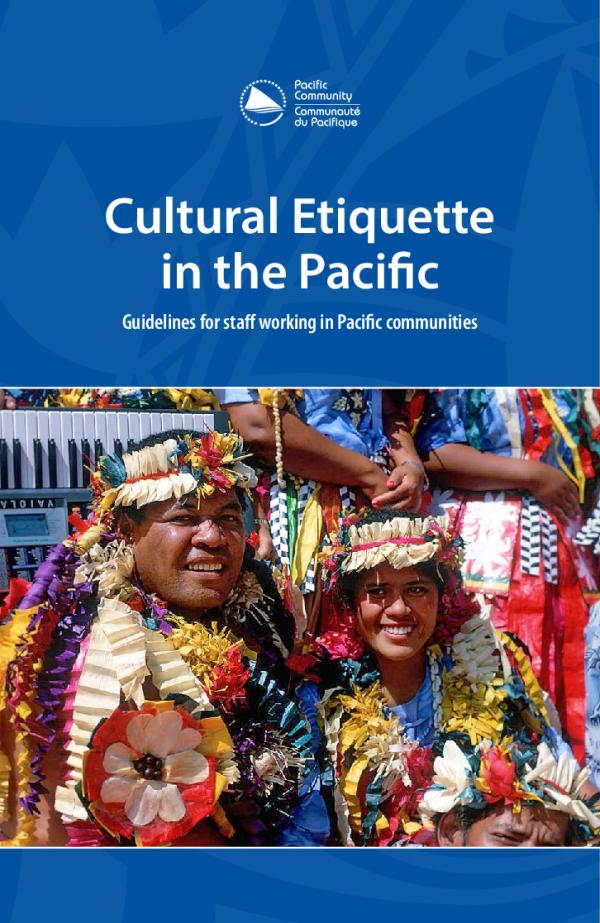
The Pacific Islands are a vibrant mosaic of cultures, languages, and traditions, with each community contributing to the rich tapestry of Pacific identity. From the lush landscapes of Fiji to the volcanic archipelagos of Vanuatu, the pacific communities pacific island community showcases resilience and adaptability shaped by its environment, history, and social complexities.
Introduction to the Pacific Communities
The Pacific Islands, comprising thousands of islands scattered across the Pacific Ocean, are home to diverse communities. These islands vary greatly in size, geography, and culture. Some of the key regions include Melanesia, Micronesia, and Polynesia, each with unique customs, languages, and societal structures. Understanding these communities requires delving into their histories and exploring the social, economic, and political contexts that have shaped them.
The Cultural Significance of Pacific Communities
Culture plays a pivotal role in the life of Pacific communities. It encompasses traditional practices, languages, art, music, and rituals. For many islanders, cultural heritage is deeply intertwined with their identity. While globalization poses challenges to traditional ways of life, many communities are finding ways to preserve their cultures while adapting to modern influences.
Languages of the Pacific
The Pacific Islands are linguistically diverse, with over 1,000 languages spoken across the region. These languages reflect the history and movement of peoples within the Pacific. For instance, languages in Melanesia, such as Bislama in Vanuatu, are influenced by both indigenous languages and colonial histories. Language preservation efforts are essential for maintaining cultural identity.

Traditional Practices and Arts
Tradition plays a crucial role in the everyday lives of Pacific Islanders. This is evident in various practices like fishing, weaving, and music. Festivals and rituals, often tied to the lunar calendar and agricultural cycles, highlight the community’s connection to the land and water. The revival of traditional dance and arts has empowered communities to reclaim their identity and engage younger generations in their cultural heritage.
Environmental Challenges and Resilience
The Pacific communities face significant environmental challenges, including climate change, rising sea levels, and natural disasters. Many low-lying islands are particularly vulnerable, leading to displacement and loss of livelihoods. Resilience in the face of these threats is evident as communities adapt by innovating sustainable practices, from building climate-resilient infrastructure to engaging in reforestation initiatives.
Community Initiatives and Solutions
Community-led initiatives have emerged as powerful tools for addressing local issues. For example, in Fiji, communities are adopting sustainable fishing practices to protect marine biodiversity while ensuring food security. In Vanuatu, local organizations work to promote environmental health and climate adaptation strategies. These grassroots efforts often emphasize collaboration, drawing on traditional knowledge and community cohesion.
The Role of Education and Youth Engagement
Youth are the future of Pacific communities, and their education is crucial to preserving culture while fostering resilience. Initiatives that blend traditional knowledge with modern education can empower young people to take an active role in their communities. Programs focused on leadership training, environmental stewardship, and cultural education are vital for developing a new generation equipped to tackle contemporary challenges.
Global Connections and Cultural Exchange
The Pacific Islands have increasingly engaged with the global community, facilitating cultural exchange and economic opportunities. Diaspora communities maintain strong links with their homeland, fostering cultural pride and contributing to development through remittances. Additionally, platforms for showcasing Pacific arts and stories in international arenas help to raise awareness and appreciation for these rich cultures.
Challenges of Globalization
While globalization opens doors to new opportunities, it also poses threats to traditional ways of life. The influx of Western influences can lead to the erosion of languages and customs. However, many communities are using technology and social media to promote their cultures actively, creating a space for modern expressions of tradition that resonate with younger generations.
Conclusion
The communities of the Pacific Islands are a testament to resilience, creativity, and cultural diversity. As they navigate the complexities of the modern world, it is crucial to recognize their strengths and support their efforts to maintain their identities. Understanding the unique challenges they face and appreciating their rich traditions can enhance global awareness and foster meaningful connections. By valuing and uplifting Pacific communities, we not only celebrate their cultural contributions but also promote a more inclusive and equitable world.
